ISO consultants since 2001 · working across Bulgaria · consultants in 10 cities

Call Consultation Email
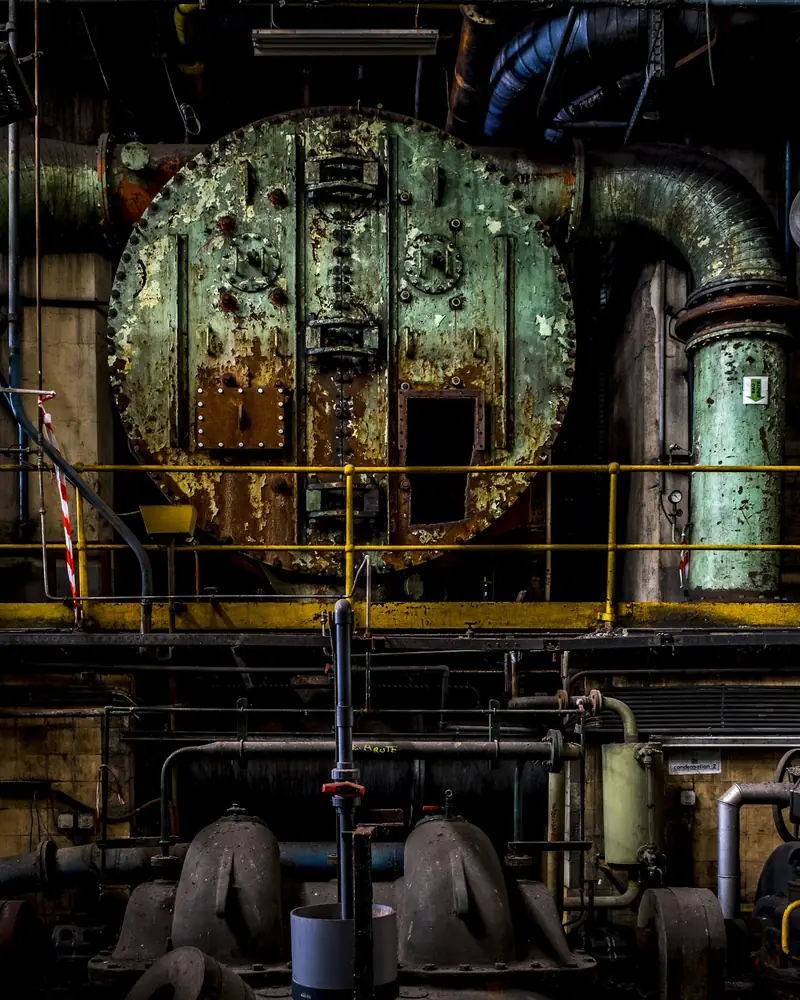
Close-up of a boiler room and pipework in an industrial plant

Standards · Environment and energy

ISO 50001 - less energy for the same work

An energy management system shows where every kilowatt-hour goes, which measures bring real savings and how to prove them. We build it together with your energy engineers and process specialists - tailored to your site.

Guide

ISO 50001 - in brief

ISO 50001 is the international standard for energy management systems. It helps organisations reduce their energy consumption and energy costs systematically - with data, objectives and a plan rather than one-off measures.

The current version is ISO 50001:2018. Directive (EU) 2023/1791 on energy efficiency requires enterprises with an annual energy consumption above 85 TJ to implement an energy management system, and those above 10 TJ to carry out an energy audit every four years unless they have such a system. For enterprises above 85 TJ, the system must be certified by an independent body by 11 October 2027 (1 TJ ≈ 277.8 MWh).

The standard does not set specific savings targets. It requires improvement to be measured and demonstrated against a baseline - so the savings show up in the reports, not just in promises.

Who is ISO 50001 for

The standard is useful for any organisation with significant energy costs:

  • Manufacturing companies
  • Enterprises consuming more than 85 TJ a year
  • Hotels, hospitals and shopping centres
  • Logistics centres and warehouses
  • Municipalities and public buildings
  • Data centres

What ISO 50001 requires

The foundation is the energy review: where the energy comes from, where it is used and which are the significant energy uses. An energy baseline and energy performance indicators are then set, against which progress is measured.

Next come objectives, an action plan, measurement and monitoring, requirements for the design and procurement of equipment, training, internal audits and management review. The standard requires demonstrated improvement in energy performance.

The benefits

Lower energy bills - backed by verifiable data. The system shows where energy is being lost and which measures pay back fastest, instead of relying on assumptions.

When production grows, consumption grows too, so the energy bill alone does not show efficiency. An energy performance indicator, such as kWh per unit of output, shows the real improvement against the baseline.

The system also meets the legal requirements for large energy consumers, supports emissions reporting and strengthens applications for funding under energy efficiency programmes.

How implementation works

  1. Energy reviewConsumption by source and by energy use, the significant energy uses and the opportunities for improvement.
  2. Baseline and indicatorsA reference period and energy performance indicators, normalised for production volume and weather.
  3. Objectives and planMeasurable objectives and an action plan with measures, responsibilities, deadlines and expected results.
  4. Measurement and monitoringA plan for measuring and verifying the results of the measures, data processing and reporting.
  5. Training and internal auditCriteria for operation and maintenance, training of key staff and an internal audit that checks the system in operation.
  6. Certification auditAfter the management review, we prepare the organisation for the audit by an independent certification body.

What you get

  • Energy review
  • List of significant energy uses
  • Energy baseline and energy performance indicators
  • Objectives and action plan
  • Measurement and monitoring plan
  • Requirements for the procurement of equipment
  • A trained energy team
  • Preparation for the certification audit

How we work

Six steps to ISO 50001 certification

The certificate is issued by an independent accredited certification body that you choose. We prepare you for it - step by step.

  1. 1

    Step 01

    Free first conversation

    We learn about your business, goals and deadlines - no commitment.

    A clear picture of what you need

  2. 2

    Step 02

    Analysis and offer

    We assess what you already have and propose a plan, timeline and clear price.

    An offer with price and timeline

  3. 3

    Step 03

    Building the system

    We develop the procedures and documents together with your team.

    The documents of the system

  4. 4

    Step 04

    Training

    We train management, staff and internal auditors.

    Internal auditor certificates

  5. 5

    Step 05

    Internal audit

    We check the system and fix weaknesses before certification.

    Internal audit report

  6. 6

    Step 06

    Certification audit

    We stand by you during the audit by the certification body you choose.

    Certificate from an accredited body

Start with a free conversation

Questions and answers

Frequently asked questions

Cannot find your answer? Call us - a consultant will reply today.

Baltov ConsultA consultant replies within the working day

Hello! Pick a question - or ask us directly. The first consultation is free.

Is ISO 50001 mandatory?

The standard itself is voluntary. However, Directive (EU) 2023/1791 requires enterprises with an average annual energy consumption above 85 TJ to implement an energy management system certified by an independent body, and those above 10 TJ without such a system to carry out an energy audit at least once every four years. ISO 50001 is the international standard for such a system.

What is the difference between an energy audit and ISO 50001?

An energy audit is a snapshot: it shows the savings opportunities at a given date. ISO 50001 is an ongoing system that measures, tracks the indicators, plans measures and demonstrates the results year after year.

What are the energy baseline and energy performance indicators?

The baseline is the reference point - the consumption over a selected period. Energy performance indicators (for example kWh per unit of output) show whether efficiency is improving, taking into account factors such as production volume and weather.

How long does implementation take?

It depends on the site, the number of energy uses and the data and metering available. We set the exact timeframe after the free initial assessment and state it in our proposal.

Do we need new meters?

Not necessarily. We start with your existing electricity and gas meters, the data from invoices and from your control systems, and the measurement plan shows where additional meters are really worthwhile.

Can ISO 50001 be implemented together with ISO 14001?

Yes. The standards share a common structure, and energy is also an environmental aspect. We build them as one system - with shared documents, one internal audit and one management review.

How does the certification audit work?

It takes place in two stages: a review of the documentation and readiness, followed by an on-site audit. The certificate is valid for three years, with annual surveillance audits.

Which measures usually have a quick effect?

Often it is managing compressed air, lighting, heating and cooling, the operating modes of equipment and switching it off outside working hours. The energy review shows which measures are the most cost-effective for your site.

How much does implementation cost?

The price depends on the size of the organisation, its sites and any existing system. We set it after the free initial assessment and state it in our proposal together with the timeframe.

Free consultation

ISO 50001 for your company

Tell us about your company - a consultant will contact you within the working day and propose a plan, timeline and price.

What happens next

  1. You send the enquirytakes less than a minute
  2. A consultant calls youwithin the working day
  3. Free initial assessmentno commitment
  4. Offer with price and timelineclear, before we start

Consultation enquiry

Step 1 of 3

What do you need?

Choose one or more - or “Other”.

About your company

Number of employees

How can we reach you?